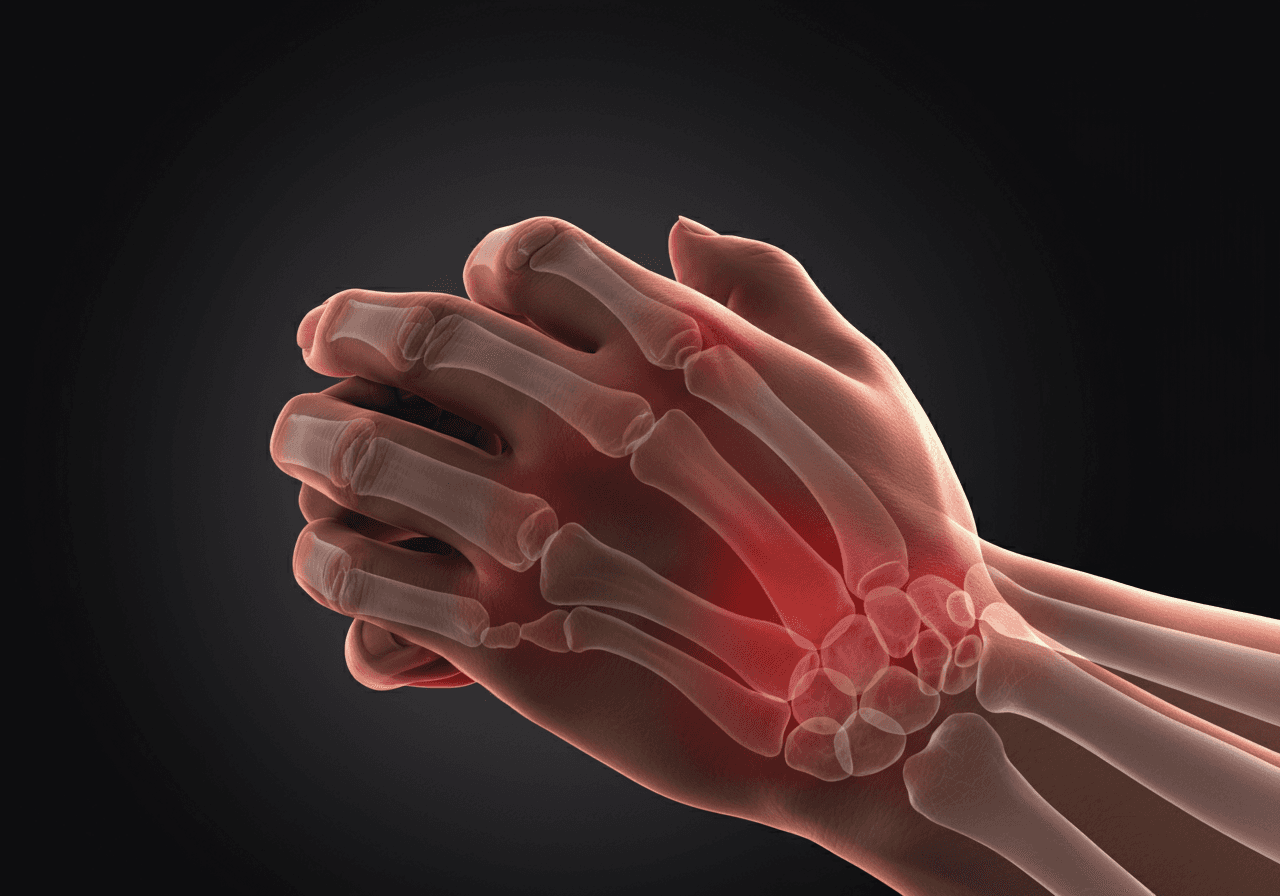
Rheumatoid Arthritis
Focuses on individuals with rheumatoid arthritis, aiming to test innovative treatments, reduce inflammation and joint damage, improve mobility, and enhance patient quality of life.
Rheumatoid Arthritis Clinical Study
Focuses on individuals with rheumatoid arthritis, aiming to test innovative treatments, reduce inflammation and joint damage, improve mobility, and enhance patient quality of life.
1. Joint Assessment and Imaging
Uses thorough joint examinations and imaging to document swelling, tenderness, and structural damage.
Tracks disease progression and treatment response over time.
2. Symptom and Function Monitoring
Evaluates joint pain, stiffness, swelling, and the impact on daily activities and mobility.
Provides regular assessments to measure both physical function and overall wellbeing.
3. Inflammatory Marker & Immune Testing
Monitors blood biomarkers for inflammation and autoimmune activity.
Assesses patient response before, during, and after therapeutic interventions.
4. Disease-Modifying Therapy and Biologics Trials
Offers new disease-modifying antirheumatic drugs (DMARDs) and biologic therapies designed to control inflammation and prevent joint damage.
Ensures continuous supervision from medical specialists for therapy safety and effectiveness.
Eligible Participants Are
18 to 75 years of age
Diagnosed with rheumatoid arthritis (RA) by a rheumatologist
Currently experiencing active joint symptoms such as pain, swelling, or stiffness
Not currently using certain biologic medications (restrictions may apply)
Willing to undergo regular blood tests and joint assessments
Additional criteria apply
Eligible Participants May
Receive study-related medical care and treatment at no cost
Receive compensation for study-related time and travel
Gain access to investigational treatments not yet available to the public
Contribute to advancing medical research for rheumatoid arthritis
The Rheumatoid Arthritis Clinical Trial advances medical understanding and treatment for autoimmune joint disease. Participation aids in developing targeted therapies that relieve symptoms, prevent complications, and support improved long-term joint health and quality of life.