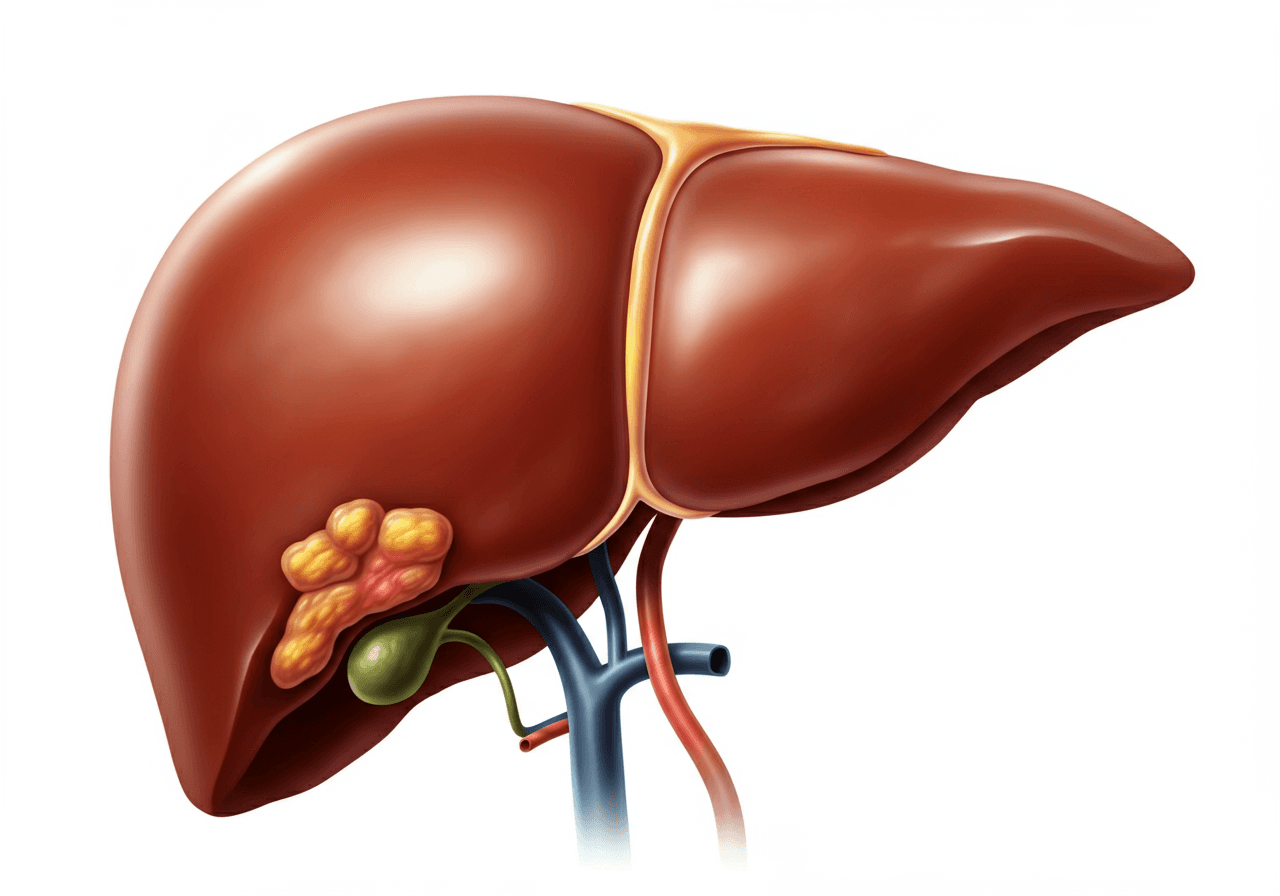
MASH / Fatty Liver
A medical research program dedicated to identifying, monitoring, and treating fatty liver disease through innovative clinical trials, advanced testing, and lifestyle assessment.
The MASH / Fatty Liver Study focuses on evaluating the buildup of fat and inflammation in the liver caused by metabolic factors. This condition, known as Nonalcoholic Steatohepatitis (NASH), can progress to cirrhosis or liver failure if left untreated. The study aims to improve diagnosis and develop effective treatments for patients with fatty liver disease.
1. Comprehensive Liver Evaluation
Uses imaging scans and blood tests to measure fat accumulation and enzyme levels in the liver.
Provides a complete picture of liver health and inflammation.
2. Metabolic and Lifestyle Analysis
Assesses diet, cholesterol, and glucose levels to identify risk factors for fat buildup.
Helps determine how lifestyle and metabolic changes influence liver function.
3. Biomarker Monitoring
Tracks biological markers that indicate liver inflammation or tissue repair.
Monitors progress and treatment response throughout the study.
4. Clinical Treatment Trials
Participants may receive investigational medications aimed at reducing liver fat and inflammation.
Medical professionals closely monitor safety, dosage, and liver performance outcomes.
Eligible Participants Are
18 to 75 years of age
Diagnosed with NASH, NAFLD (Nonalcoholic Fatty Liver Disease), or fatty liver
May have metabolic risk factors such as obesity, diabetes, or high cholesterol
Willing to undergo liver imaging (ultrasound, FibroScan, or MRI) and possible liver biopsy
Not consuming excessive alcohol
Additional criteria apply
Eligible Participants May
Receive study-related medical care and treatment at no cost
Receive compensation for study-related time and travel
Gain access to investigational therapies for fatty liver disease
Contribute to advancing liver disease research and treatment
The NASH / Fatty Liver Clinical Trial plays a vital role in advancing medical understanding of metabolic liver disease. By participating, individuals contribute to research that helps prevent long-term liver complications and supports the development of future therapies.