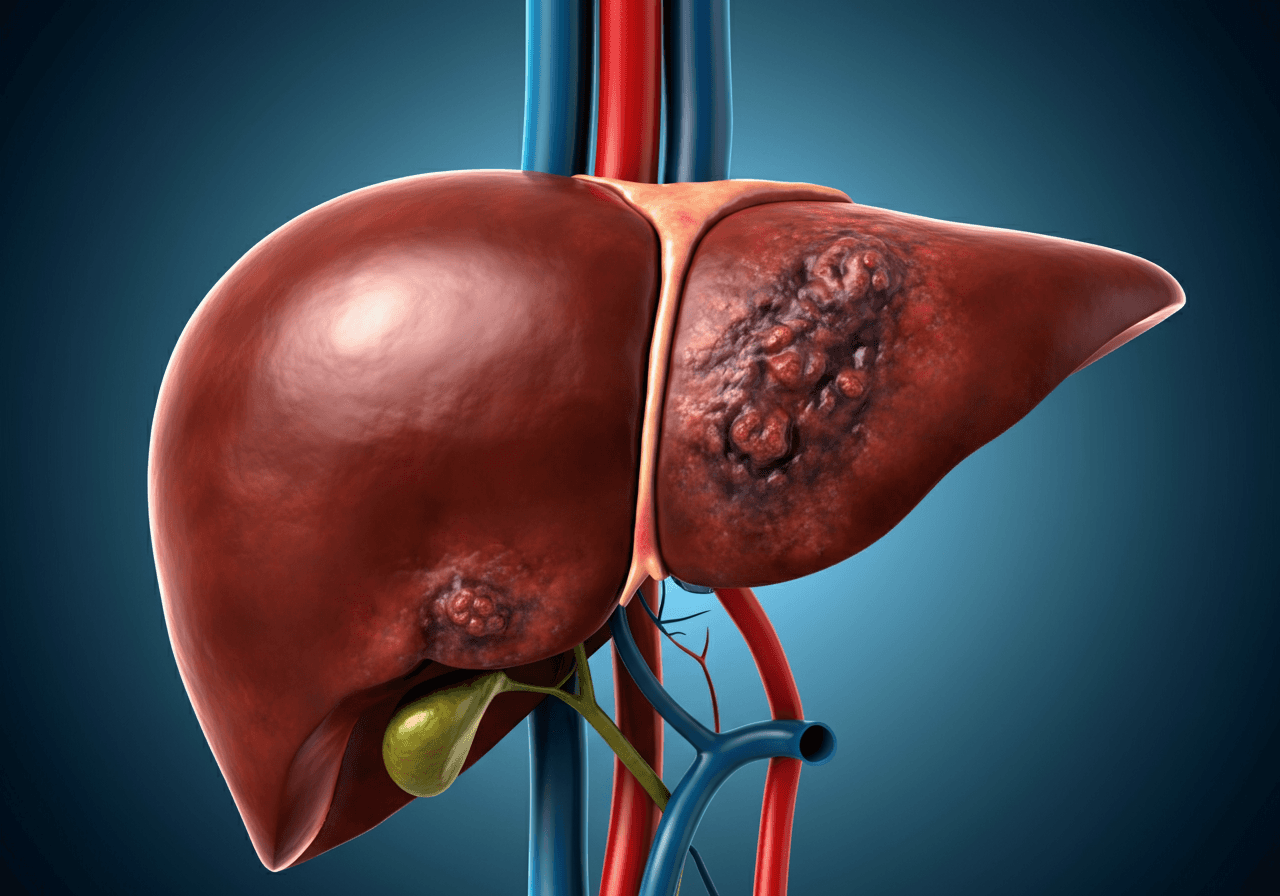
Liver Cirrhosis
A specialized research program focused on understanding and treating advanced liver scarring (cirrhosis) through comprehensive testing, imaging, and investigational therapies.
The Liver Cirrhosis Study is designed to evaluate patients with advanced liver scarring caused by chronic liver diseases. Cirrhosis affects the liver’s ability to function properly, leading to complications such as fluid buildup, infections, and liver failure. This study helps identify early signs of progression and test new treatment options aimed at improving liver health and patient outcomes.
1. Liver Function and Enzyme Testing
Measures key enzymes and proteins to assess how well the liver is working.
Detects early signs of worsening liver damage or inflammation.
2. Imaging and Fibrosis Assessment
Uses ultrasound, FibroScan, or MRI to visualize the degree of scarring and structural changes.
Provides accurate staging of cirrhosis progression and response to therapy.
3. Symptom and Complication Monitoring
Tracks symptoms such as fatigue, jaundice, and fluid retention.
Helps detect potential complications like portal hypertension or hepatic encephalopathy early.
4. Investigational Treatment Evaluation
Participants may receive new medications or therapies targeting liver regeneration and fibrosis reversal.
Regular follow-ups ensure safe and effective treatment outcomes.
Eligible Participants Are
18 to 75 years of age
Diagnosed with liver cirrhosis (compensated or decompensated)
Cirrhosis caused by chronic liver disease (hepatitis, alcohol use, NASH, or other causes)
Experiencing symptoms or complications related to liver scarring
Willing to undergo liver imaging, blood tests, and possible liver biopsy
Additional criteria apply
Eligible Participants May
Receive study-related medical care and treatment at no cost
Receive compensation for study-related time and travel
Gain access to investigational therapies for liver cirrhosis
Contribute to advancing liver disease research and patient care
The Liver Cirrhosis Clinical Trial contributes to the advancement of modern therapies designed to slow or reverse liver scarring. By joining this study, participants play a crucial role in helping medical professionals find better solutions for chronic liver disease management.