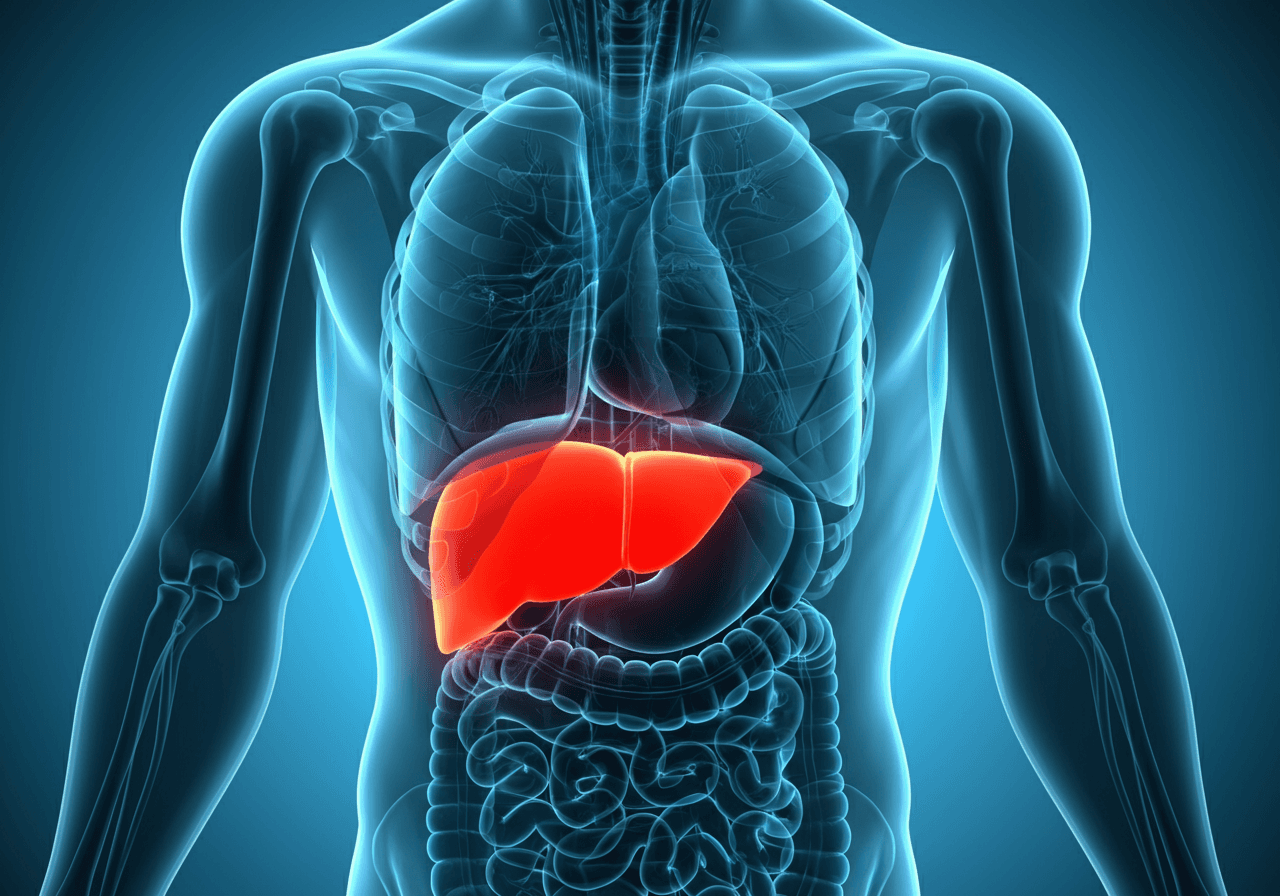
Hepatic Failure
A critical research program dedicated to studying severe liver dysfunction and testing new therapies that enhance liver recovery, detoxification, and long-term organ health.
The Hepatic Failure Study focuses on patients with severely impaired liver function, where the liver can no longer effectively process toxins or produce essential proteins. This condition can develop suddenly (acute liver failure) or gradually over time (chronic liver failure). The study aims to evaluate liver regeneration, monitor vital markers, and test innovative treatments that support recovery and prevent complications.
1. Comprehensive Liver Function Assessment
Measures bilirubin, albumin, and clotting factors to determine the liver’s functional capacity.
Identifies the degree of liver impairment and guides treatment response.
2. Diagnostic Imaging and Ultrasound
Uses imaging technology to assess liver structure, detect tissue damage, and identify underlying causes such as cirrhosis or blockage.
Helps monitor organ response during the recovery process.
3. Toxin and Metabolic Monitoring
Evaluates blood ammonia and toxin levels to measure how efficiently the liver clears harmful substances.
Tracks metabolic changes associated with liver failure progression.
4. Investigational Therapeutic Trials
Participants may receive investigational drugs or supportive therapies aimed at restoring liver function or reducing toxin buildup.
Continuous clinical observation ensures safety and accurate data collection.
Eligible Participants Are
18 to 75 years of age
Diagnosed with acute or chronic hepatic failure
Experiencing severe liver dysfunction (elevated bilirubin, impaired clotting, altered mental status)
May have underlying liver disease (cirrhosis, hepatitis, fatty liver, or other causes)
Willing to undergo frequent blood tests, imaging, and close medical monitoring
Additional criteria apply
Eligible Participants May
Receive study-related medical care and treatment at no cost
Receive compensation for study-related time and travel
Gain access to investigational therapies for liver failure
Contribute to life-saving liver disease research
The Hepatic Failure Clinical Trial is essential for developing life-saving approaches that restore liver function and prevent severe complications. By participating, individuals contribute to groundbreaking research that may improve survival rates and quality of life for those living with liver failure.