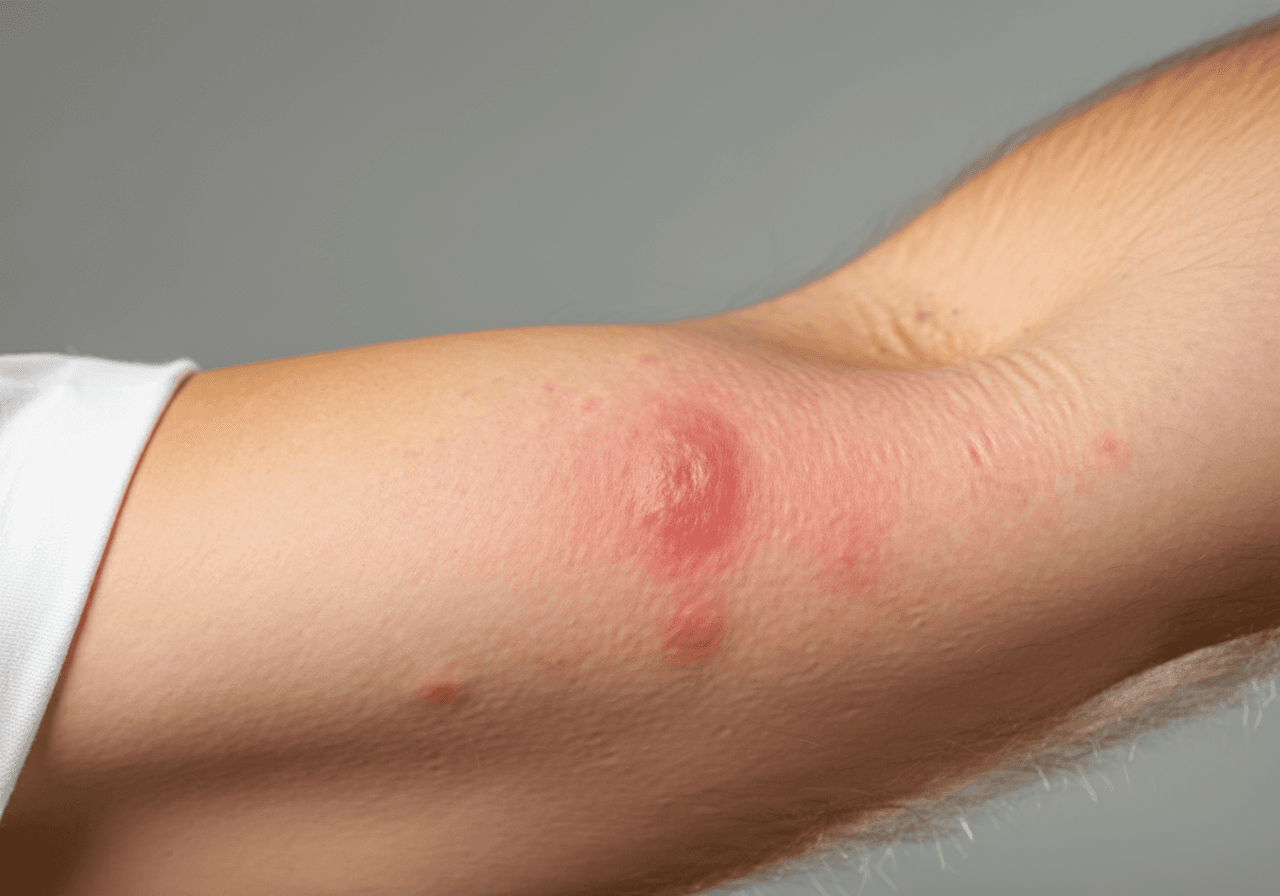
Dermatitis
A clinical research program dedicated to studying and treating various forms of dermatitis through allergy testing, therapy evaluation, and lifestyle assessment to achieve healthier, irritation-free skin.
The Dermatitis Study focuses on evaluating chronic and acute skin inflammation caused by allergic reactions, irritants, or immune system responses. This research aims to identify triggers, assess treatment effectiveness, and test new therapies designed to relieve itching, redness, and discomfort associated with dermatitis.
1. Skin Health and Sensitivity Assessment
Examines affected skin areas to determine the type and severity of dermatitis.
Identifies environmental, chemical, or biological triggers causing inflammation.
2. Allergy and Immune Testing
Conducts patch or blood tests to detect allergic sensitivities and immune reactions.
Helps tailor treatment plans based on specific allergy profiles.
3. Topical and Systemic Therapy Evaluation
Tests investigational creams, oral medications, or biologics to reduce inflammation and restore skin balance.
Monitors patient response to ensure treatment safety and effectiveness.
4. Lifestyle and Environmental Analysis
Evaluates skincare routines, stress levels, and environmental exposure.
Provides guidance to minimize future flare-ups and maintain skin health.
Eligible Participants Are
18 to 75 years of age
Diagnosed with atopic dermatitis, contact dermatitis, or other inflammatory skin conditions
Experiencing active symptoms such as itching, redness, rash, or irritation
May have tried previous dermatitis treatments with limited success
Willing to undergo skin assessments, allergy testing, and follow treatment protocols
Additional criteria apply
Eligible Participants May
Receive study-related medical care and treatment at no cost
Receive compensation for study-related time and travel
Gain access to investigational dermatitis therapies
Contribute to advancing dermatological care and treatment research
The Dermatitis Clinical Trial plays a vital role in advancing treatment options for skin inflammation by identifying triggers and testing effective therapies. Through participation, patients help drive the development of better dermatological care and long-lasting relief.